What Is CBAM and Why Does It Matter?
The Carbon Border Adjustment Mechanism (CBAM) is one of the most significant climate measures introduced by the European Union in recent years. Its goal is simple: to ensure that goods imported into the EU face a carbon cost comparable to goods produced within the EU. Without a system like this, producers might shift manufacturing to countries with weaker climate rules to avoid paying for emissions — a practice known as carbon leakage. CBAM is designed to prevent that and keep the market fair for companies already investing in cleaner production.
CBAM currently applies to a defined group of highly carbon-intensive sectors with strong global trade exposure: cement, iron and steel, aluminium, fertilisers, electricity, and hydrogen. These sectors were chosen because their products have a significant carbon footprint and are at higher risk of carbon leakage.
However, CBAM does not apply to every product within these sectors. Coverage is defined through CN codes — the customs classification numbers used in EU trade to identify products. In practical terms, your CBAM obligations depend on whether the CN code of the product you import is listed in the CBAM Regulation. This makes correct customs classification an essential early step for any importer.
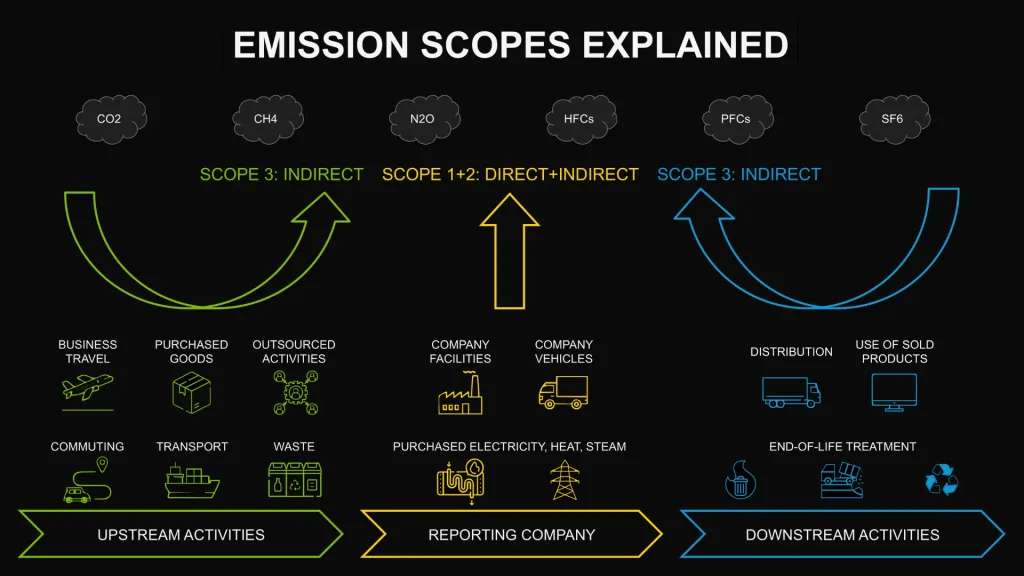
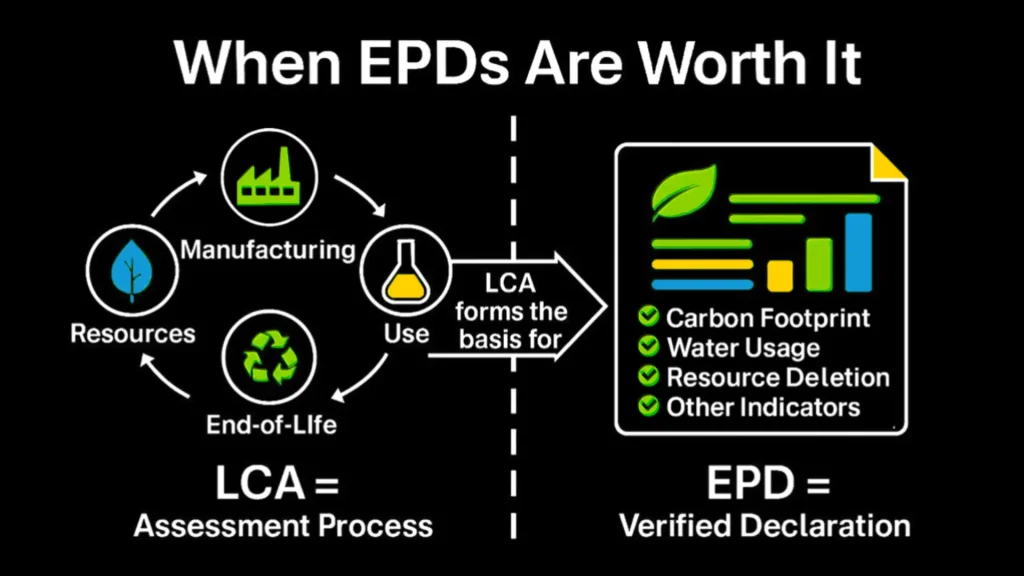
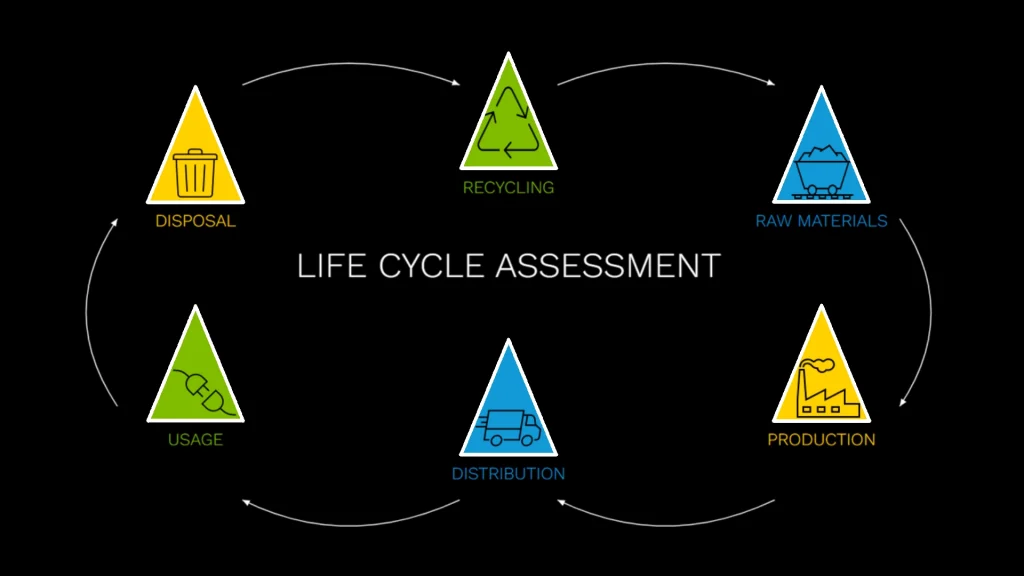
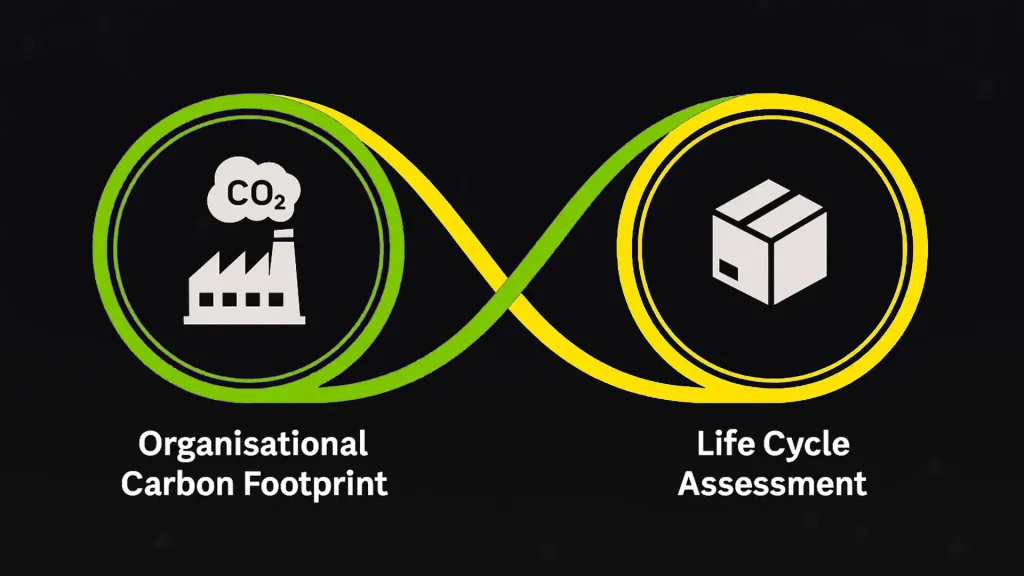
CBAM measures emissions in CO₂ equivalent (CO₂e), converting different greenhouse gases into a single comparable number. And unlike broader accounting frameworks such as ISO 14064 or the GHG Protocol, CBAM focuses specifically on the emissions released during the manufacturing of the imported product. It does not cover full lifecycle emissions.
Under the definitive regime starting in 2026, all covered goods must include their direct emissions, such as those linked to fuel combustion, chemical reactions, and heating/cooling used in manufacturing.
For certain products — specifically cement and fertilisers — CBAM also requires reporting of indirect emissions from electricity consumption, because electricity is a key driver of their carbon footprint. Other goods, such as iron and steel, aluminium, and hydrogen, must report direct emissions only.
CBAM obligations apply to importers bringing 50 tonnes or more of CBAM goods into the EU per year (not applicable to electricity and hydrogen). Companies below this threshold do not need to submit a CBAM declaration, but it remains important to monitor volumes in case thresholds are crossed or supply chains shift.
The Transition Phase (2023–2025): A Period of Learning and Adjustment
The transition phase ran from October 2023 to the end of 2025. During this period, importers reported emissions linked to their goods every quarter but did not yet make any payments.
This phase allowed companies to understand their exposure, learn how to collect the necessary data and identify gaps in the information provided by suppliers. Importers could rely on default EU values, actual supplier data or a combination of both.
For many, the transition period highlighted how difficult it can be to obtain consistent, verifiable emissions information from international suppliers, especially those without established measurement systems. It served less as a penalty-driven stage and more as preparation for the financial responsibilities that follow.
The Definitive Phase (Starting January 2026): What Changes?
Becoming an Authorised Declarant
From 1 January 2026, CBAM became fully operational. Companies now need to register as Authorised Declarants through the CBAM portal to import covered goods into the EU. Without this status, imports in CBAM sectors are not permitted, making registration one of the first essential steps.
Reporting Requirements
Quarterly reporting continues, but companies must also submit an annual CBAM declaration. The first annual declaration is due in September 2027 for goods imported during 2026.
CBAM Certificates: Paying for Emissions
Financial obligations begin with the purchase of CBAM certificates. Each certificate represents one tonne of CO₂e. Prices track the EU Emissions Trading System (EU ETS), meaning costs may fluctuate.
Although reporting starts in 2026, payments begin in 2027. This creates a one-year period where businesses understand their exposure but have not yet paid for it, allowing time for planning and budgeting.
Because certificate prices will follow a volatile carbon market, importers also face financial uncertainty. For some businesses, this may require reviewing contract structures, exploring price-adjustment mechanisms or considering financial hedging strategies to manage future cost swings in a measured and transparent way.
How Benchmarks Affect Cost
Importers do not immediately pay for all emissions. Instead, they pay for emissions that exceed a benchmark reflecting efficient EU production for that specific product.
If an imported product has higher emissions than the benchmark, the importer pays for the difference. Because free allowances under the EU ETS are being phased out between 2026 and 2034, this benchmark will gradually tighten. Even if a supplier’s emissions stay exactly the same, the importer’s CBAM cost may rise simply because the benchmark decreases. By 2034, importers will pay for the full emissions of their goods.
Avoiding Double Payment
If a supplier has already paid a carbon price in their own country, that amount can be deducted from the importer’s CBAM obligation to prevent double charging
Why Accurate Data Matters
CBAM requires emissions data that has been independently verified. Internal estimates or unverified supplier figures are not accepted. Robust carbon footprint management is essential.
If a supplier cannot provide verified data, the importer must use default values published by the EU. These values are intentionally conservative and often significantly higher than actual emissions. As a result, two similar products can carry very different CBAM costs depending on data quality, making reliable information a major financial consideration.
For many businesses, securing verified data early is one of the most effective ways to manage exposure.
What CBAM Means for Your Business
CBAM introduces financial, operational and strategic implications for any company importing covered goods. Your eventual cost will depend on three factors: the emissions intensity of your product, the benchmark level for that product and the EU carbon price at the time.
The impact varies widely. Companies sourcing from low-emission producers may face limited costs, while those relying on suppliers with high emissions or incomplete reporting could see a significant increase.
Beyond cost, CBAM prompts businesses to look closely at their supply chains. This includes mapping which products are covered, understanding the readiness of suppliers to provide verified data and, where needed, working with those suppliers to improve their data collection and reporting practices. When a supplier cannot meet these requirements, companies may need to explore alternative sourcing or adjust contractual terms to manage risk.
In practice, CBAM readiness becomes part of procurement strategy, supplier due diligence, long-term supply-chain planning and broader decarbonisation efforts. It is not a one-off compliance project but a structural change in how emissions data is gathered, verified and used.
How Aria Sustainability Can Help
At Aria Sustainability, our role is to make CBAM manageable.
We start by explaining your obligations and timelines in clear, accessible terms so your teams understand what is required and when. We help you assess your financial exposure — now and in the coming years — so you can plan for tightening benchmarks and variations in the EU carbon price.
Because CBAM depends heavily on accurate supplier data, we guide you through engaging suppliers and collecting the verified information you need. Where systems or processes are missing, we help you design data flows and reporting practices that are reliable, repeatable and aligned with regulatory expectations. We support you in integrating CBAM into your wider decarbonisation strategy, making it a natural part of day-to-day decision-making.
Many businesses also need a digital solution to manage CBAM data and reporting. If that’s the case, we help you navigate the options on the market and identify a tool that fits your needs without adding unnecessary complexity.
Throughout the process, our focus remains the same: clear information, practical steps and tailored guidance that reduces exposure over time and strengthens supply-chain resilience. Our approach is adaptable — not template-based — and built around your operations, supply chain and long-term goals.
Act Now
The definitive phase began in January 2026. Companies that prepare early will be in a far stronger position — financially, operationally and strategically. Those that wait risk rushed data collection, supplier bottlenecks and higher costs linked to default values.
If you import goods covered by CBAM, now is the time to act. Early preparation will protect your margins, strengthen your supply chain and give you the clarity you need for long-term planning.
Disclaimer (January 2026): CBAM is still evolving. Deadlines, benchmarks and implementation details may be updated by the European Commission in the coming months. This article reflects the latest information available at the time of writing.