
Home » Sustainability Blog
Sustainability Blog
Our Sustainability Blog shares clear, practical insights on carbon measurement, life cycle thinking, reporting standards and real-world decision-making. We explore how data, policy and business strategy connect, helping organisations move beyond compliance towards meaningful action, better choices and credible progress on sustainability and climate goals across sectors and supply chains.
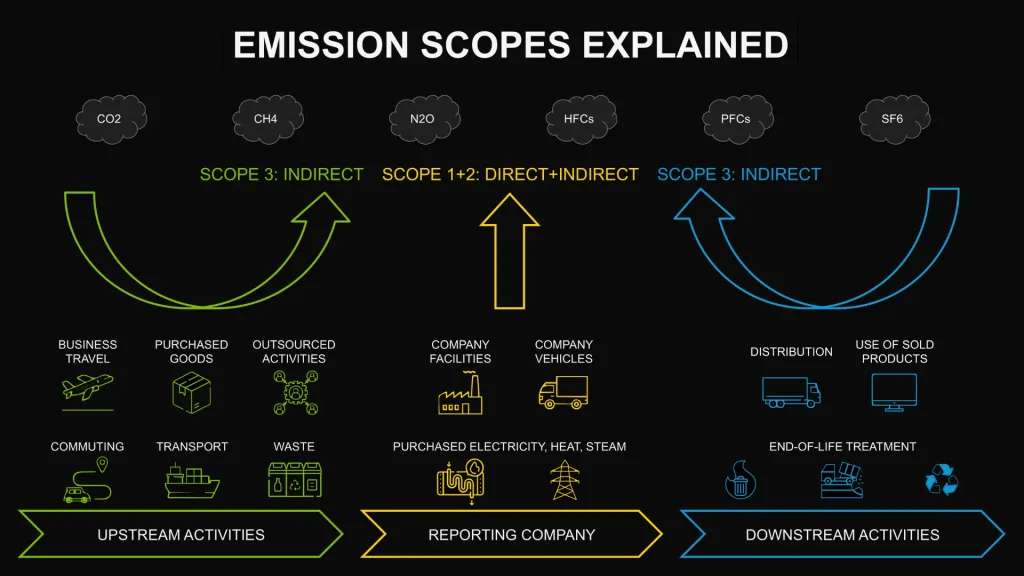
Understanding Scope 1, 2 and 3 emissions is the foundation of credible emissions reporting. This article explains how each scope works across operations and the value chain, and how organisations can use accurate data to shape climate strategy, identify hotspots, meet disclosure requirements, strengthen Scope 3 insight, and plan long‑term decarbonisation with clarity and confidence.
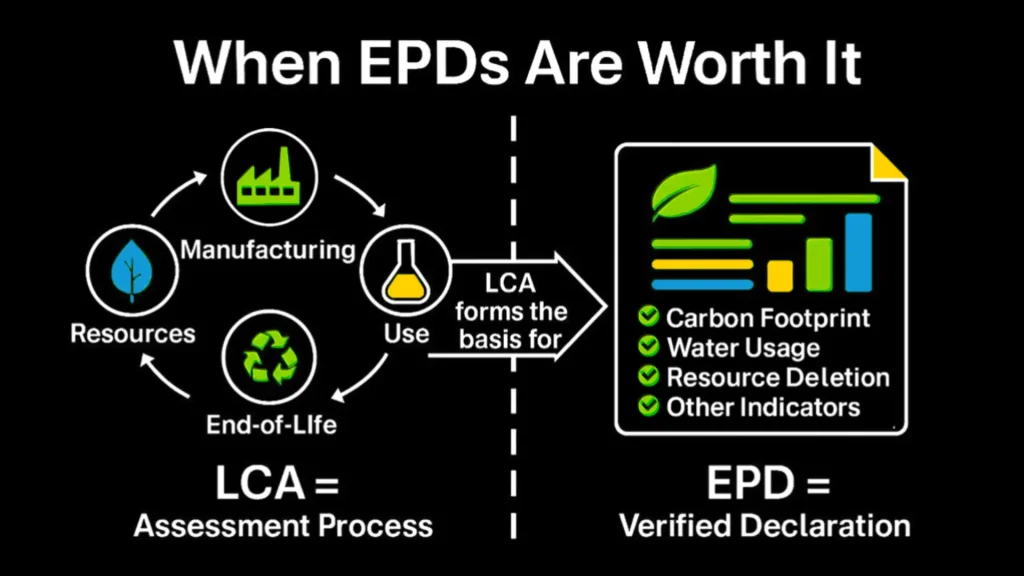
Environmental Product Declarations (EPDs) provide verified, standardised data on a product’s impacts, helping buyers compare options and supporting compliance with certification and regulatory frameworks. While valuable for transparency and credibility, EPDs aren’t always necessary, particularly in early design phases, when data is immature. Many organisations use LCAs for learning and improvement and rely on EPDs for external reporting.
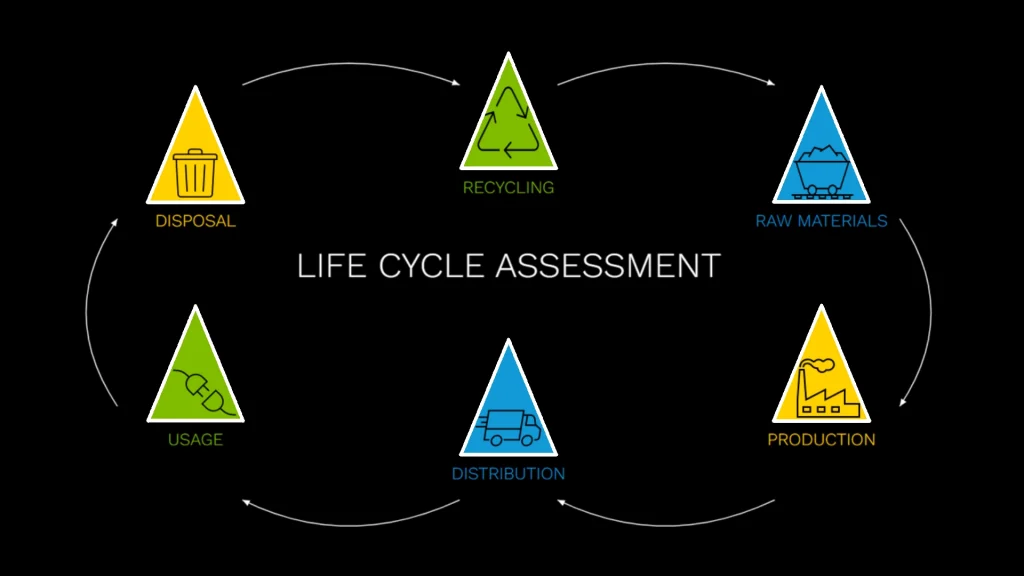
Life Cycle Assessment (LCA) measures the full environmental impact of products from raw material procurement through production, distribution, use, and end-of-life disposal. By identifying hotspots and guiding decisions, LCA helps businesses reduce waste, improve design, meet regulations, and build trust with customers, suppliers, and investors. Life Cycle Assessment (LCA) turns data into sustainable action.
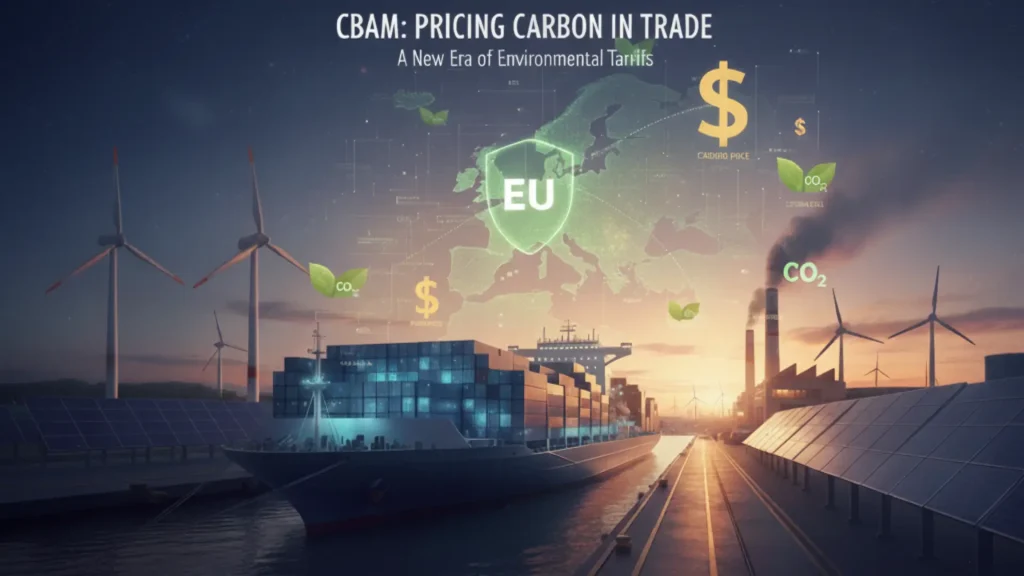
The Carbon Border Adjustment Mechanism (CBAM) ensures imported goods face a carbon cost comparable to EU production. From 2026, importers of steel, cement, aluminium, fertilisers, hydrogen, and electricity must report emissions, buy CBAM certificates, and manage supply-chain data. Early preparation reduces financial risk and strengthens compliance and strategy. It is time to act now before it is too late.
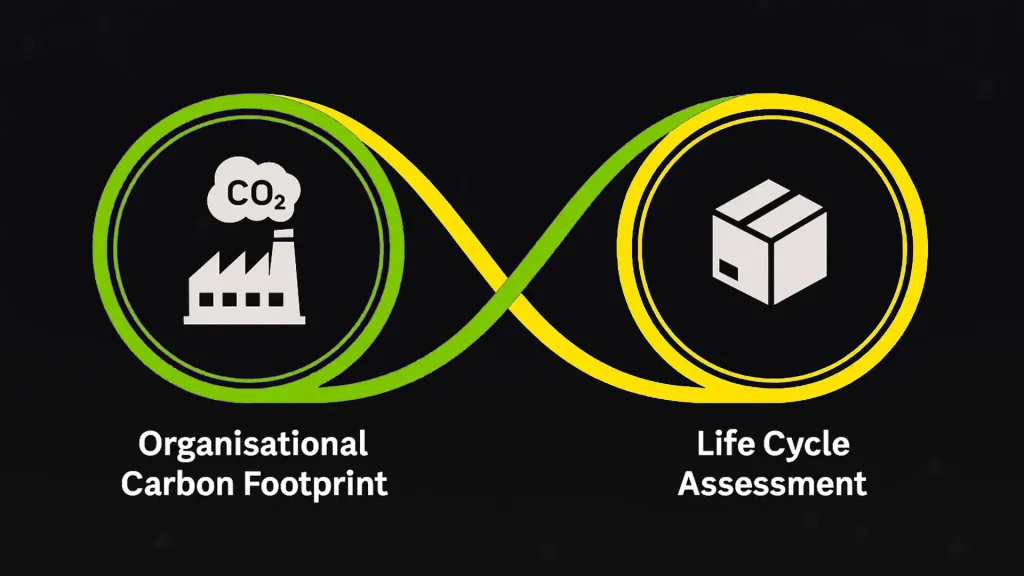
Understand how Life Cycle Assessment (LCA), Product Carbon Footprint (PCF), and Organizational Carbon Footprint (OCF) fit together across products, organisations, and value chains, for consistent measurement and practical action taking. This article explains what each one does, how they connect, and how robust carbon data supports clearer decision-making and more effective reporting.