Demystifying LCA, PCF, and OCF
If you work in sustainability or product development, chances are you’ve come across three terms that feel related but not quite interchangeable: Life Cycle Assessment (LCA), Product Carbon Footprint (PCF), and Organisational Carbon Footprint(OCF).
Understanding how each discipline works — and how they interact — makes your carbon reduction strategy far more effective, accelerating your journey to net zero.
At a high level, an LCA looks at the full environmental impact of a product. A PCF focuses only on its greenhouse gas emissions. And an OCF steps back to look at emissions across the entire organisation and its value chain. Each one answers a different question, and together they give you clarity at every level: company, product, and design.
Life Cycle Assessment: Seeing the Whole Picture
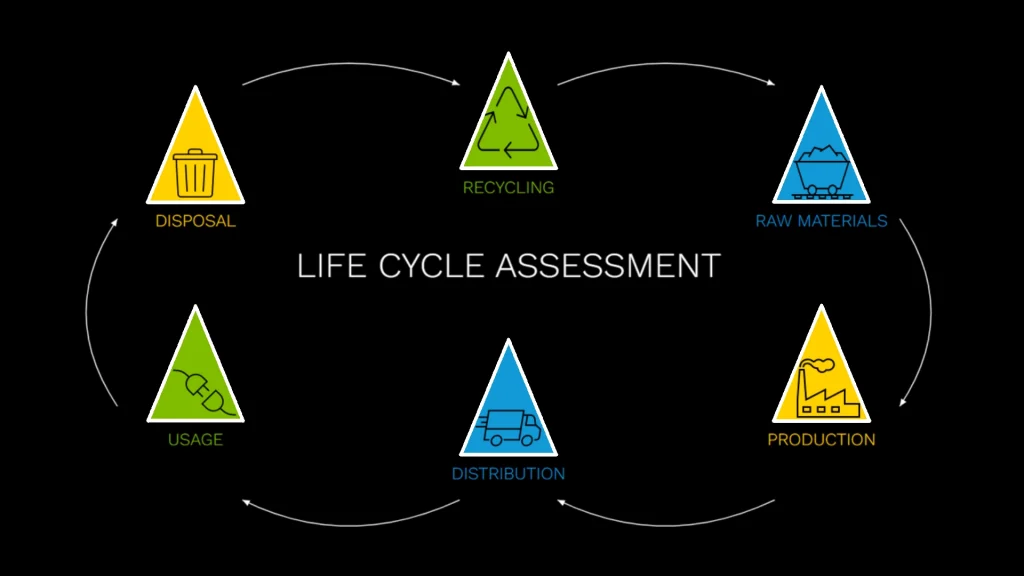
A Life Cycle Assessment, or LCA, is the most complete way to understand how a product interacts with the environment. It follows the product from start to finish — raw materials, manufacturing, transport, use, and end of life — and considers far more than carbon alone.
Under the ISO 14040 and 14044 standards, an LCA can include water use, energy demand, resource depletion, toxicity and more. It’s the closest thing we have to a “full picture” of environmental performance.
For design, engineering, and R&D teams, that level of detail is incredibly useful. It highlights hotspots you might not expect: a material with a hidden energy load, a step in the process that drives waste, or a packaging choice that impacts multiple stages of the life cycle. LCAs make these trade-offs visible, so improvements aren’t based on assumptions.
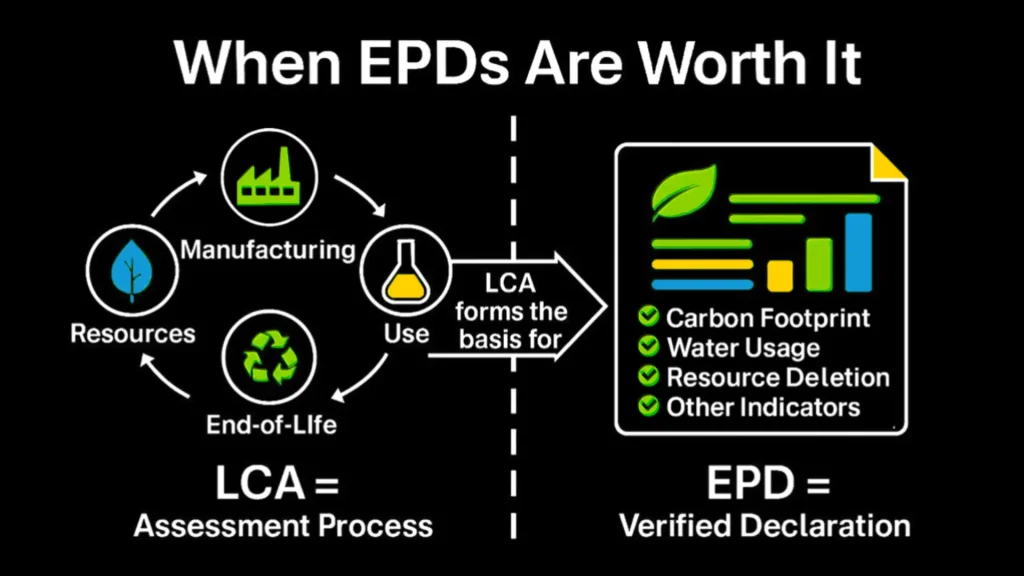
And when companies need to publish verified product data, LCAs also underpin Environmental Product Declarations (EPDs).
That said, LCAs are detailed and time-intensive. When you need to move quickly or focus purely on carbon, it’s often more practical to start with a Product Carbon Footprint.
Product Carbon Footprint: A Clear View of Carbon
A Product Carbon Footprint (PCF) follows the same life-cycle logic as an LCA but concentrates solely on greenhouse gas emissions. It looks at everything from materials and manufacturing to transport, use, and disposal — but through a carbon lens.
PCFs follow ISO 14067 and the GHG Protocol Product Standard, and they’ve become increasingly important as customers, regulators, and supply chain partners ask for product-level carbon data. Some industries now expect PCFs for digital product passports, supplier onboarding, or even tender submissions.
PCFs are practical tools for teams making everyday decisions. They help you compare materials, test design options, and see which products or suppliers contribute most to emissions. Changing a resin, adjusting a process, or switching a supplier can have a measurable effect — and PCF data helps quantify it.
The one limitation is that PCFs only look at carbon. They’re great for fast, targeted insights, but for broader environmental trade-offs, they work best alongside an LCA.
Organisational Carbon Footprint: Understanding the Whole Business
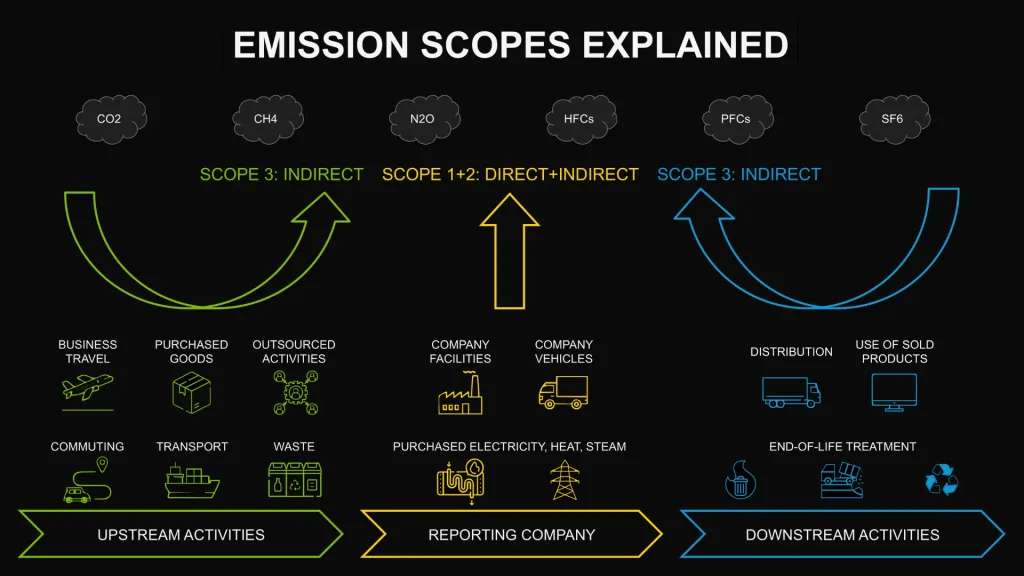
If LCA and PCF zoom in on products, the Organisational Carbon Footprint (OCF) zooms out to the company as a whole. It measures all greenhouse gas emissions a business is responsible for — both direct and indirect — across the full value chain.
The OCF follows the GHG Protocol Corporate Standard and often aligns with ISO 14064-1. It covers all three scopes and forms the basis for reporting frameworks such as SBTi, CDP, and regulatory disclosures such as CSRD or the SB 253.
An OCF shows where the real challenges lie: purchased goods and materials, transport, product use, end of life, and the other Scope 3 categories that make up the majority of most organisations’ emissions. But while it identifies hotspots, it doesn’t tell you what to change — and that’s where PCFs and LCAs come in.
The three tools complement each other: OCF shows the landscape, PCF adds detail at the category or product level, and LCA helps teams understand the full implications of design and material choices.
How LCA, PCF, and OCF Fit Together
Most organisations start with an OCF because it provides the first big picture. It shows which parts of the business drive emissions and where to focus effort. Once those areas are identified — materials, logistics, product use, or specific product lines — PCFs help narrow the view to understand what’s driving impact within those categories.
For products that are particularly complex, high-volume, or strategically important, LCAs add another layer of insight. They ensure that efforts to reduce carbon don’t unintentionally increase water use, resource depletion, or create another environmental burden. LCAs are also key for companies that need verified product data or want to communicate environmental performance with confidence.
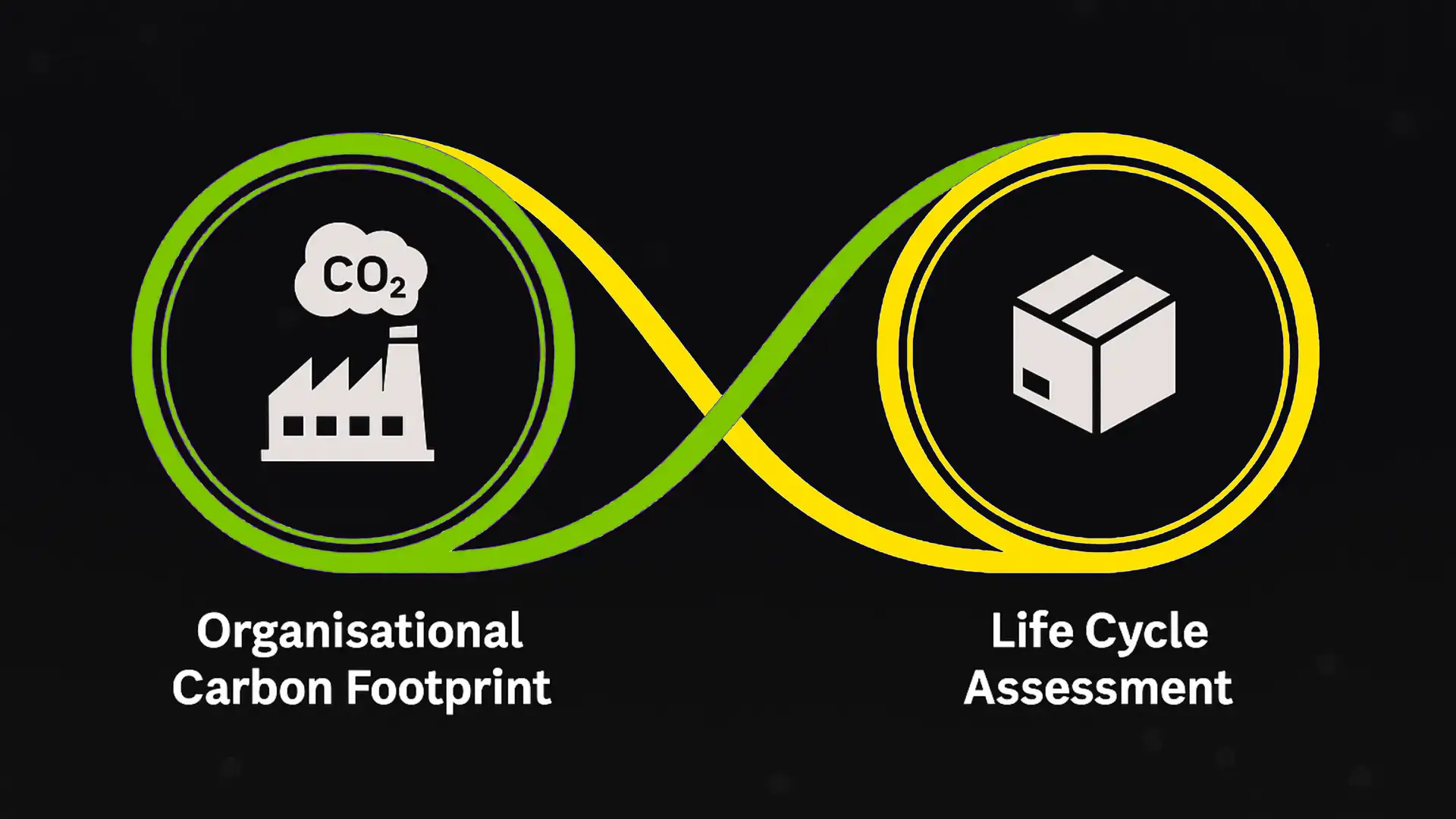
Over time, this becomes a continuous loop. Product-level work improves the quality of future corporate footprints, especially Scope 3 data. Corporate footprints then inform which products to examine next.
It’s a cycle of measurement and refinement that moves sustainability from theory to practice.
From Measurement to Value
While these tools help with reporting, their real value appears when you apply them internally. Knowing where emissions come from helps teams:
1. Reduce energy and material costs
2. Identify design improvements
3. Spot supply chain risks earlier
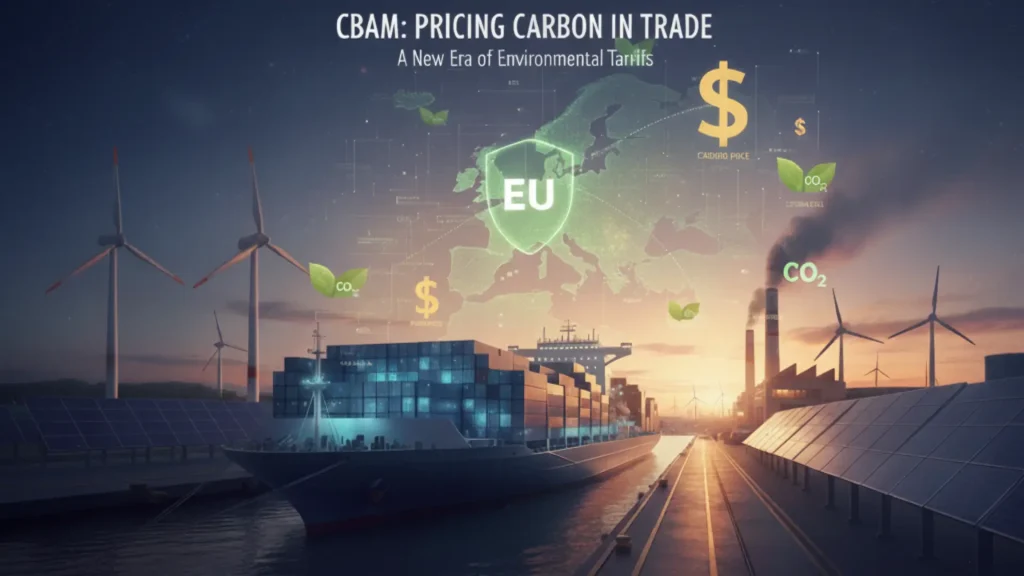
4. Prepare for carbon pricing and regulatory change
5. Make decisions based on data rather than assumptions
Investors, customers, and partners increasingly expect companies to work with credible, transparent data. Aligning with frameworks such as CDP, SBTi, and CSRD is part of that, but the real benefit is internal: better decisions, clearer priorities, and more resilient operations.
When carbon data is accurate and accessible, it becomes part of everyday thinking — not an annual reporting burden.
The Bottom Line
OCF, PCF, and LCA each play a different role, but together they create a clear, connected view of environmental performance. OCF shows where emissions matter most. PCF helps quantify and compare product-level impact. LCA ensures improvements are real and balanced.
At Aria Sustainability, we see these tools as practical enablers — not paperwork. With the right carbon data in place, teams can design better products, make smarter operational choices, and build strategies grounded in reality rather than guesswork.
If you want to use LCA, PCF, or corporate carbon accounting in a way that actually helps your organisation reduce emissions — not just report them — we can help you build carbon data foundations that are accurate, workable, and genuinely useful.
If this is something you’d like to explore, we’re always happy to talk.