Making The Right Sustainability Choices Using Life Cycle Assessment (LCA)
Sustainability is no longer a niche topic, or something handled at the edges of a business.
It has become a key part of how you design products, work with suppliers, communicate with customers, and plan for the future. Expectations are rising fast — from regulators setting stricter standards, from investors demanding clarity, and from customers who want to understand the real impact of the products they buy.
To meet those expectations, you need more than intentions or broad commitments. You need clear, credible, evidence-based insight into how your products affect the world throughout their entire life. That’s what Life Cycle Assessment (LCA) delivers.
Understanding Life Cycle Assessment
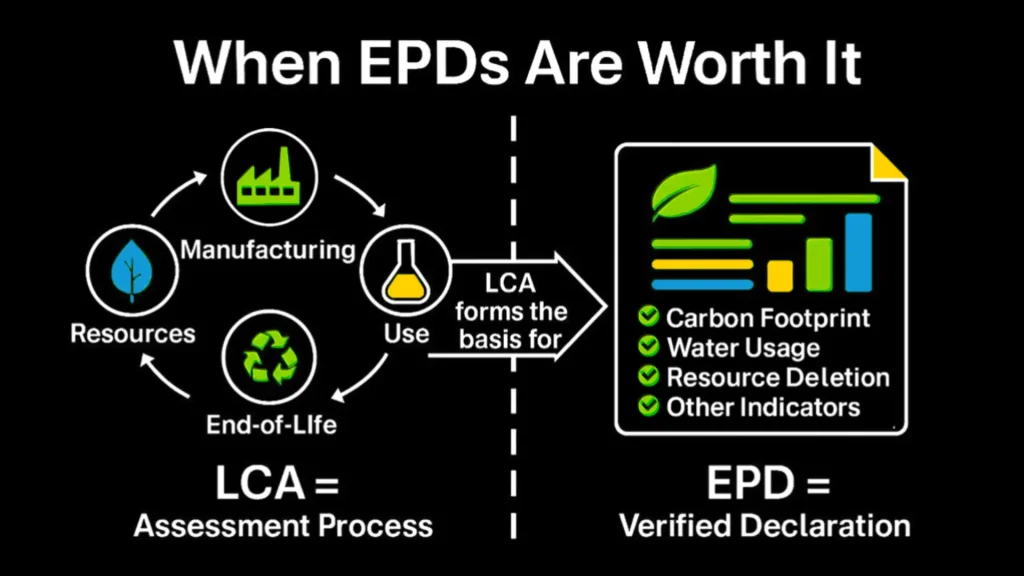
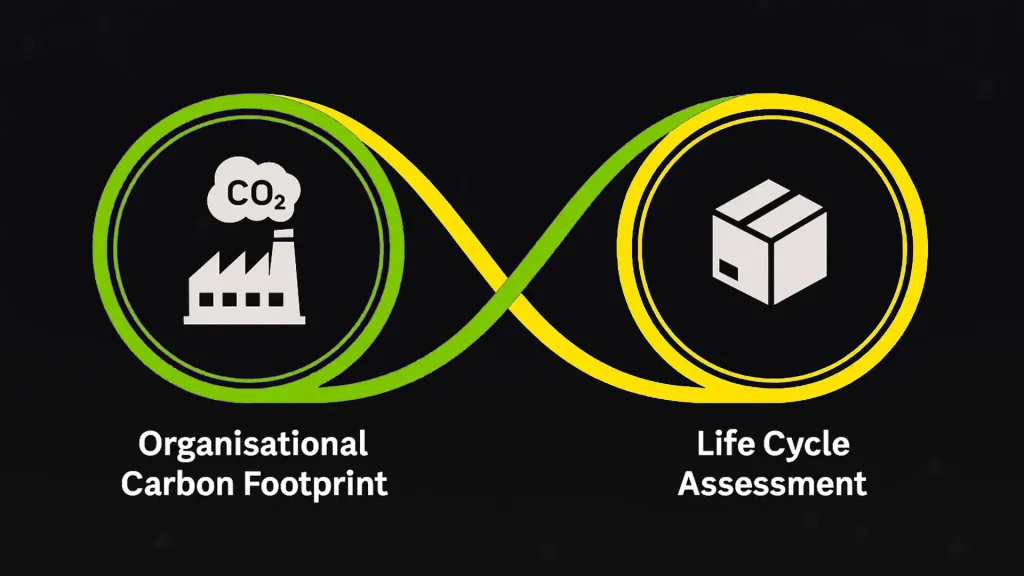
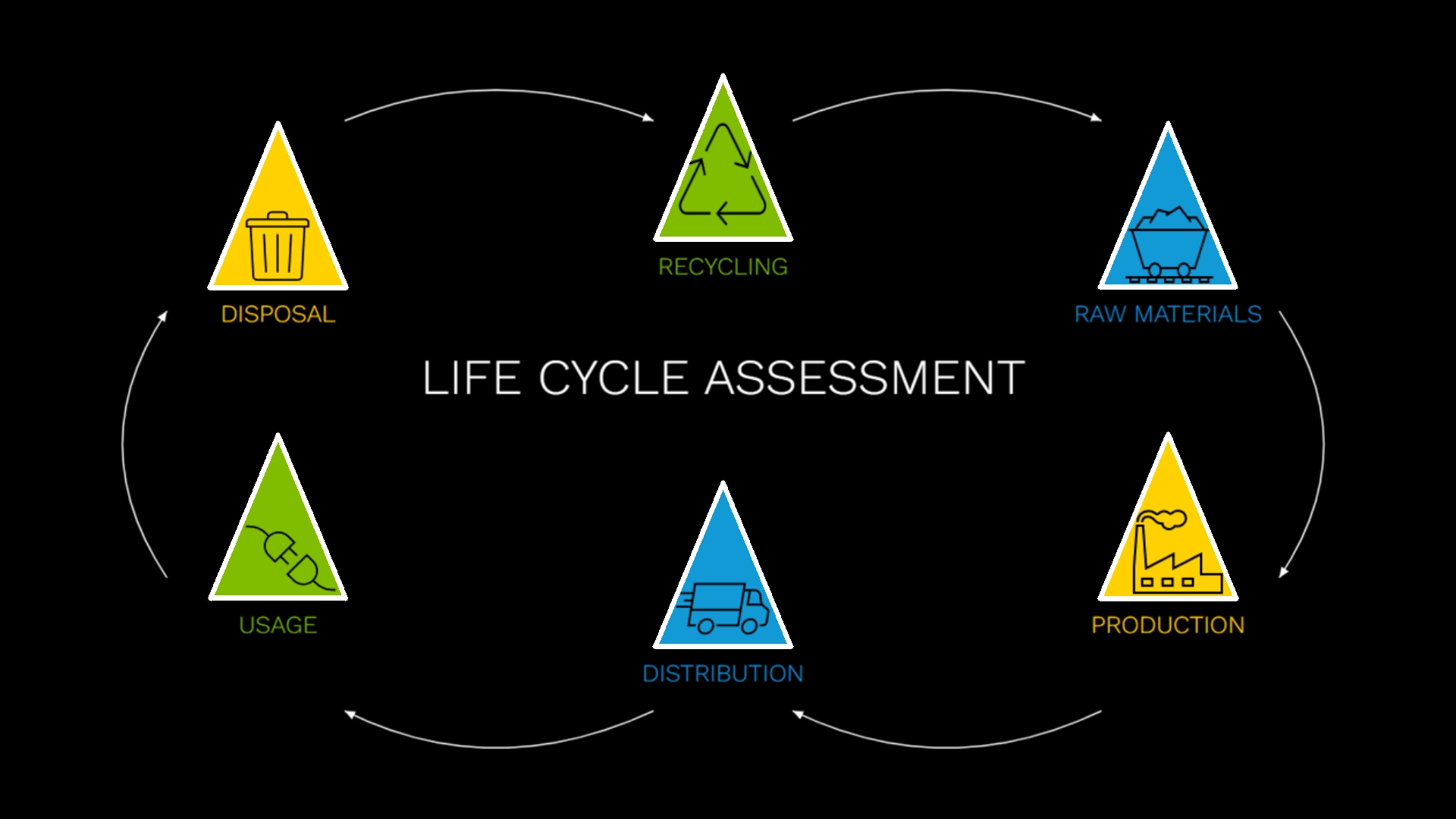
A Life Cycle Assessment measures the environmental impact of a product or service across its entire life — from raw materials and manufacturing to distribution, use, and end-of-life. It looks beyond carbon alone, capturing a range of impacts, including energy demand, water use, resource depletion, pollution, and toxicity. Rather than focusing on a single stage or outcome, it gives you a complete and honest picture of where impacts occur and why.
What makes LCA so valuable is its blend of scientific rigour and practical relevance. It isn’t just an environmental exercise. It is a decision-making tool used in manufacturing, construction, consumer goods, food systems, electronics, and beyond. By revealing what’s driving the biggest impacts, it helps you design better products, improve operations, strengthen supply chains, and meet sustainability goals with confidence.
Why LCA Matters
Seeing the full picture
Every product leaves a footprint, but it’s not always where you expect.
A material that seems sustainable on the surface may have an energy-intensive extraction process. A manufacturing step that appears efficient may require large amounts of water. A lightweight packaging option might create higher emissions during production. Without full visibility across the life cycle, it’s easy to focus on the wrong areas or miss opportunities entirely.
LCA removes the guesswork. It highlights environmental “hotspots” — the stages or materials that matter most — and gives you clarity on what genuinely needs attention. That clarity is powerful. It stops sustainability work from becoming a scattered collection of activities and instead channels your efforts into the areas with the highest impact.
Supporting smarter decisions
Once you can see where impacts occur, it becomes far easier to make choices that are both environmentally and commercially sound.
LCA helps teams compare different materials, evaluate design changes, refine manufacturing processes, or rethink packaging. The outcome is not just lower emissions — it’s often higher efficiency, reduced waste, and better long-term performance.
Many businesses use LCA early in product development to shape decisions before they reach production. Others apply it to existing products to identify opportunities for improvement. In both cases, LCA ensures your decisions are evidence-based, not assumption-driven.
Navigating regulation with confidence
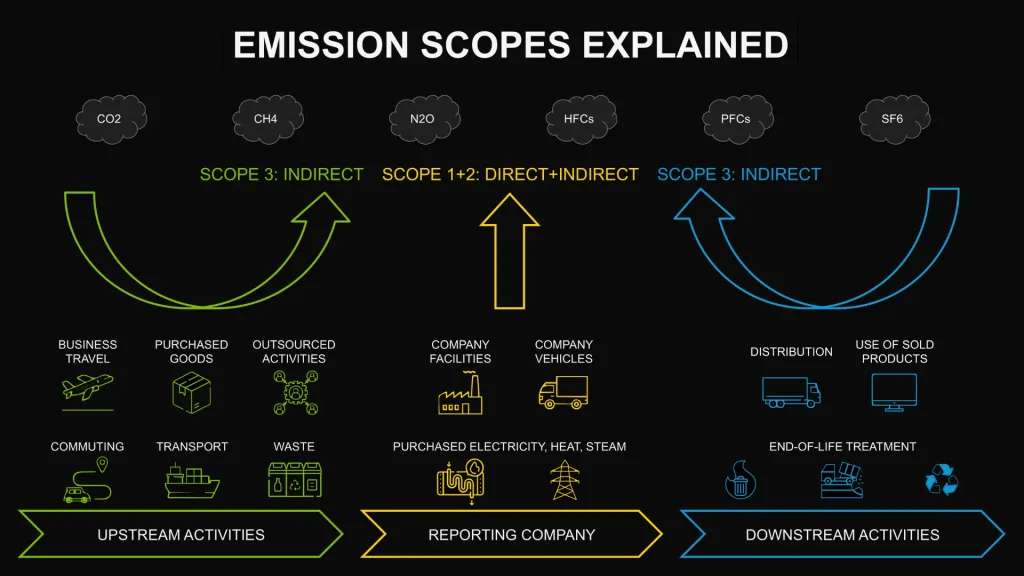
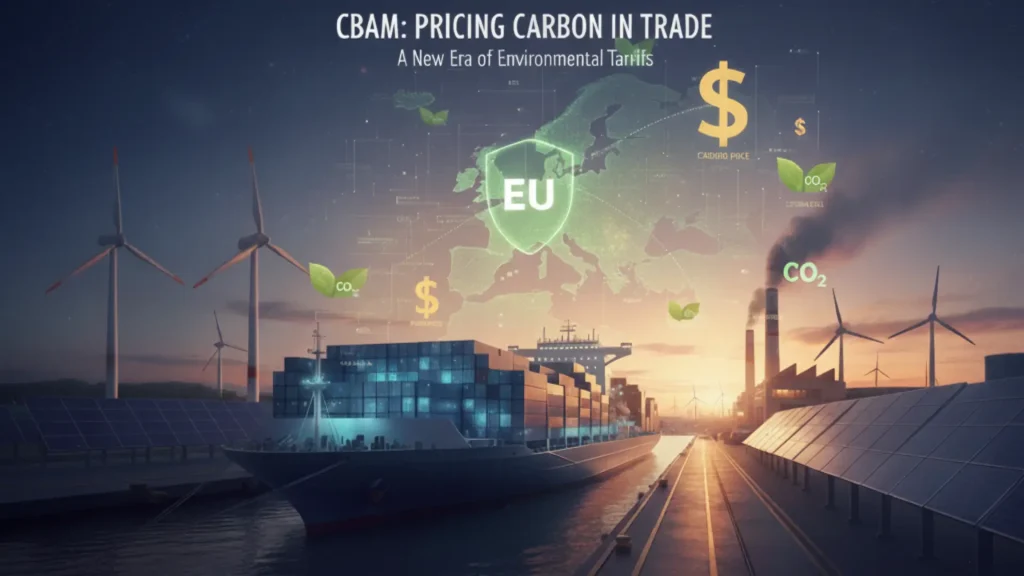
Regulation around sustainability is expanding rapidly. Frameworks such as the EU’s Product Environmental Footprint (PEF), Corporate Sustainability Reporting Directive (CSRD), eco-design requirements, and various ISO standards all depend on verifiable life-cycle data. For many sectors, this level of data is quickly shifting from “advantage” to “expectation.”
LCA gives you a credible, compliant foundation to meet these requirements. It helps you stay ahead of evolving rules and respond confidently to customer and investor requests for transparent information. In a world where environmental claims are scrutinised more than ever, LCA provides the evidence you need to demonstrate accuracy and avoid greenwashing.
Strengthening trust through transparency
Sustainability is ultimately about trust. Customers want to know what they’re buying. Investors want to understand long-term risk. Suppliers want clarity in procurement requirements. And regulators want proof of compliance.
LCA builds that trust by making environmental performance traceable and transparent. When you share the results — whether through reporting, certifications, or Environmental Product Declarations (EPDs) — stakeholders see a clear, credible process behind your claims. Instead of vague statements about “eco-friendly” or “sustainable” products, you can offer data that stands up to scrutiny.
Driving innovation and continuous improvement
One of the most compelling aspects of LCA is its ability to spark fresh thinking. When you understand exactly where impacts originate, you open the door to smarter design choices, better materials, and improved circularity.
For some products, the biggest impacts occur during production. For others, it’s during use — such as energy-consuming home appliances. In some cases, end-of-life design becomes crucial, pushing teams to rethink recyclability or take-back models. Each insight helps you shape a product that performs better environmentally and in the market.
LCA encourages continuous improvement, helping you set priorities, track progress, and evolve products over time.
Aria Sustainability’s Approach to LCA
At Aria, we follow a structured four-step process aligned with ISO 14040 and ISO 14044. While the methodology is robust, our aim is always practical: to give you insights you can use, not pages of technical results that sit on a shelf.
1. Goal and scope definition
Every LCA begins by defining what you want to understand and why. Together, we determine the purpose of the assessment, the system boundaries (cradle-to-gate, cradle-to-grave, or another route), and the impact categories that matter most to you. We also clarify the decisions the LCA will support — whether that’s product development, procurement, reporting, or operational improvement. A clear scope ensures your assessment delivers useful, targeted results.
2. Inventory analysis
This step involves gathering detailed data on materials, energy use, waste, and emissions across the product’s life cycle. We work closely with your teams — and where possible, your suppliers — to ensure accuracy. This stage builds the dataset that underpins the entire assessment, so it needs to be reliable, complete, and reflective of real-world conditions.
3. Impact assessment
Once the data is ready, we translate it into quantifiable environmental impacts. This includes carbon emissions, resource use, water consumption, and other relevant indicators. The outcome is a clear footprint profile that highlights hotspots and helps you see how each stage of the product contributes to the overall impact.
4. Interpretation and recommendations
This final step is where everything comes together. We analyse the results, test their robustness, and turn them into practical guidance. That might mean recommending alternative materials, identifying process improvements, or supporting strategic decisions around design, operations, or procurement. Our goal is always the same: to help you move from insight to action.
Turning LCA Insight Into Action
An LCA isn’t just a report. It’s a foundation for smarter strategy, stronger products, and better environmental performance. When used well, it becomes a tool for designing improvements, reducing costs, and building resilience into your supply chain.
For businesses working toward net-zero or broader sustainability goals, LCA often sits alongside Environmental Product Declarations (EPDs), which make your data public, standardised, and comparable — helping with procurement, certification, and communication.
Why Work With Aria Sustainability
We combine technical expertise with a clear, human approach.
Our team helps you understand the full picture of your environmental impacts and turn that understanding into meaningful action.
Whether you’re developing new products, responding to customer requests, preparing for regulation, or looking for long-term improvement, we make the process clear, accurate, and useful.
If you’re ready to turn data into decisions — and decisions into measurable impact — we’d be happy to help.